Powered vs Passive Speakers: How to Choose a PA System for Your Venue
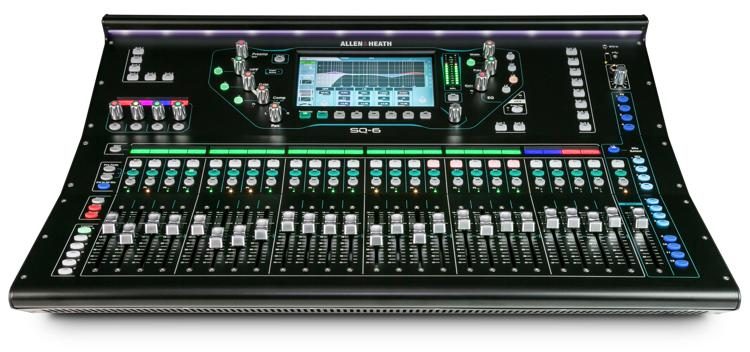
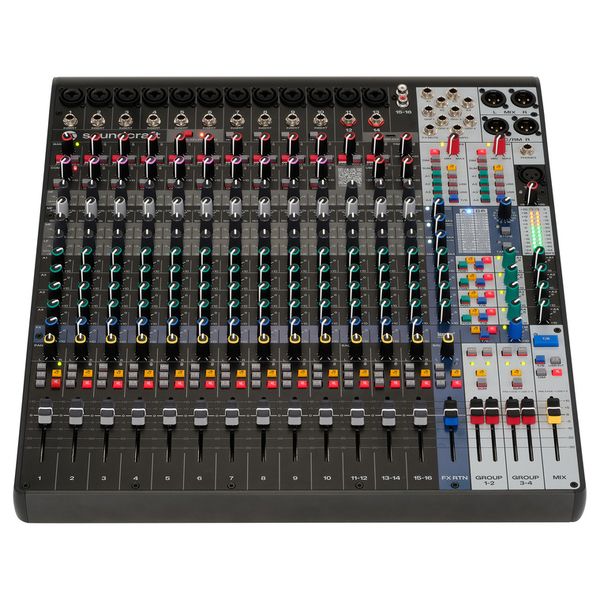
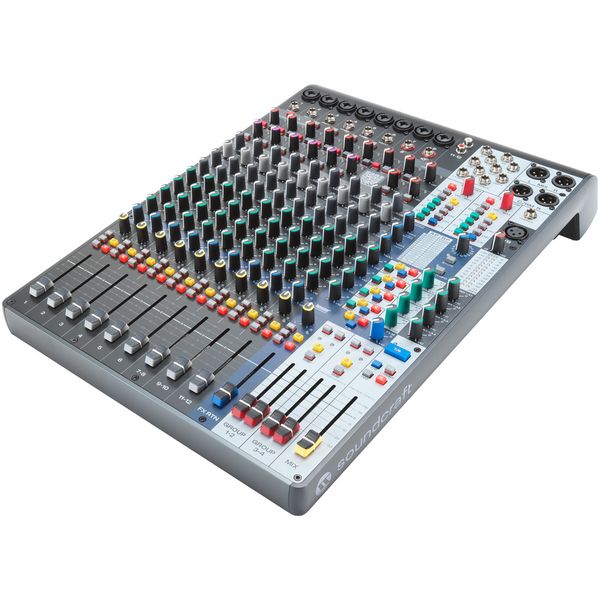
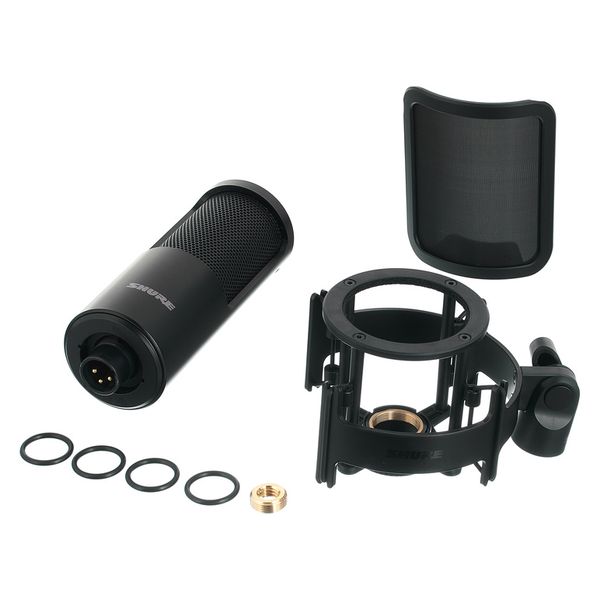
Every PA system needs three things: a source (microphones, instruments, playback), a mixer, and loudspeakers driven by amplifiers. The big choice is where the amplification lives. In a powered (active) speaker the amplifier is built into the cabinet. A passive speaker has no amplifier inside and is driven by a separate power amplifier over speaker cable. Both approaches are used by professionals; the right one depends on how the system will be used.
Powered speakers: when they make sense
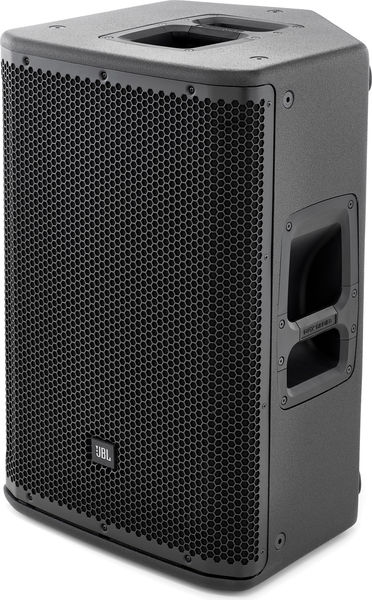
A powered speaker needs a mains connection and a line-level signal from the mixer. The manufacturer has already matched the amplifier to the drivers and usually added built-in processing such as crossover, EQ presets and limiters that protect the speaker.
The things to plan for are a power point near each speaker and a slightly heavier cabinet. Examples include the JBL SRX800P series and the Yamaha DBR series.
Passive speakers: when they make sense
Passive systems are common in permanent installations such as auditoriums, banquet halls, churches, clubs and restaurants.
The trade-off is that you must match the amplifier to the speakers correctly. Browse our passive speakers and amplifiers.
Matching an amplifier to passive speakers
Two numbers matter: impedance and power handling.
An underpowered amplifier pushed into clipping damages tweeters more often than a correctly sized amplifier used sensibly. If your amplifier or processor has limiters, set them to protect the speakers.
Do you need a subwoofer?
Full-range speakers with 12 or 15 inch woofers handle speech and background music well. For live bands, DJ events, worship music and anything where people expect to feel the kick drum, add one or more subwoofers. A subwoofer also takes the deepest bass away from the main speakers, so they sound cleaner at higher levels. Powered subwoofers usually include a crossover and a high-pass output for the tops.
Point-source speakers or line arrays
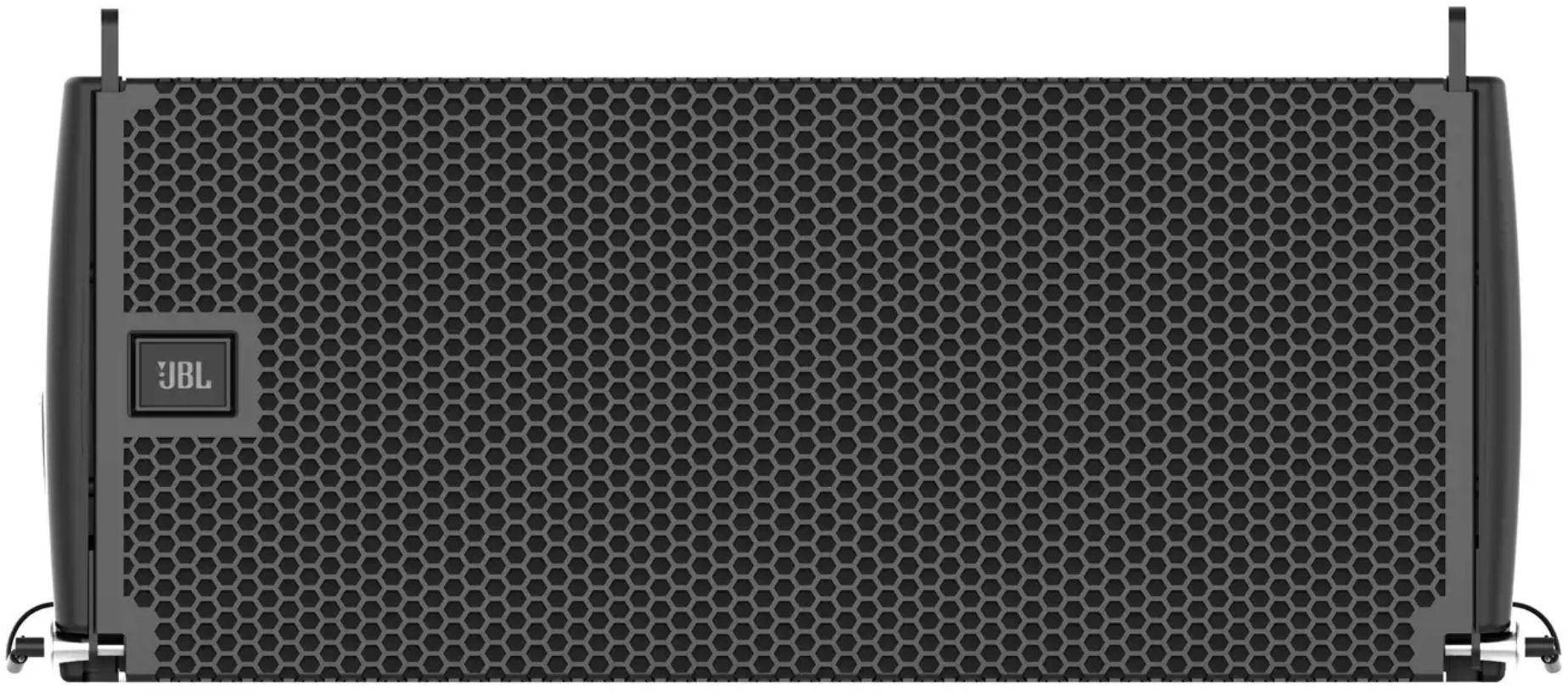
Most small and medium venues are well served by point-source speakers: a two-way cabinet on a pole or stand. Line arrays are built from several stacked or flown elements and are designed to throw sound evenly over long distances, which suits large halls, outdoor concerts and big events. They need more planning, rigging and often prediction software, so ask for help before buying one.
Coverage matters more than loudness
A common mistake is buying two very loud speakers for a long hall. The front rows get blasted and the back rows still struggle to understand speech. For long or wide rooms, use more speakers placed closer to the audience (for example delay speakers halfway down the hall) rather than turning a single pair up. Aim the speakers at the audience, keep them above head height, and keep microphones behind the speakers to reduce feedback.
Questions to answer before you buy
Browse powered speakers, passive speakers and portable PA systems, or send us your venue details and we will recommend a complete system.
Our audio experts will recommend the right gear for your setup.