Analog vs Digital Mixer: Choosing a Mixing Console for Live Sound
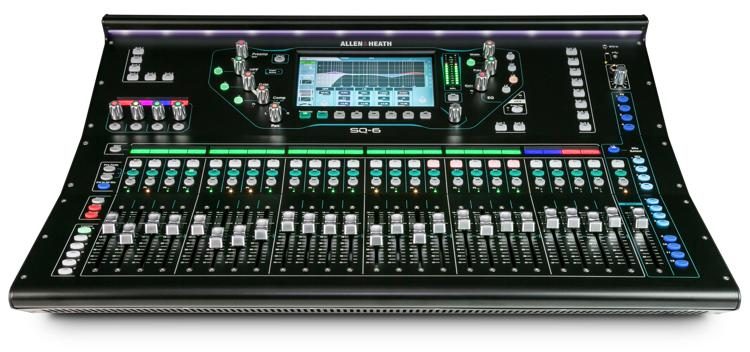
The mixer is the centre of any sound system: every microphone, instrument and playback device goes into it, and it feeds the speakers, monitors and recorders. The first decision is analog or digital. After that, the right console is mostly about counting inputs and outputs honestly.
Analog mixers
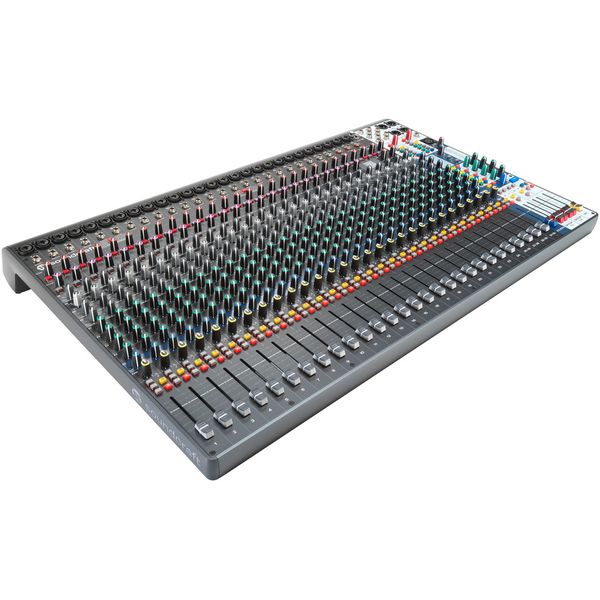
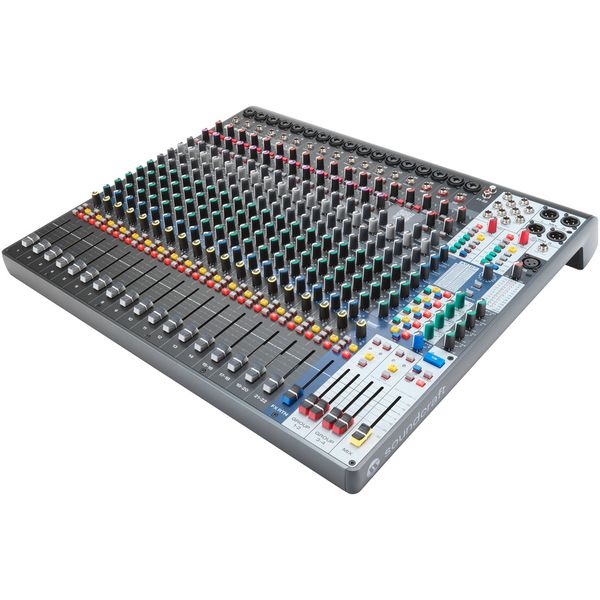
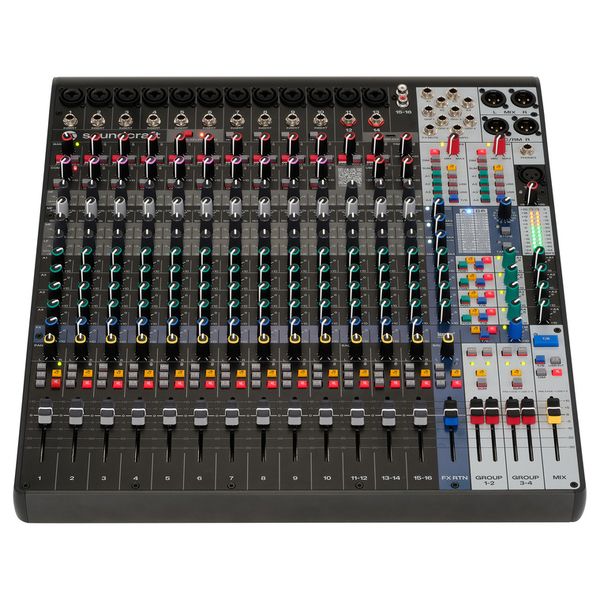
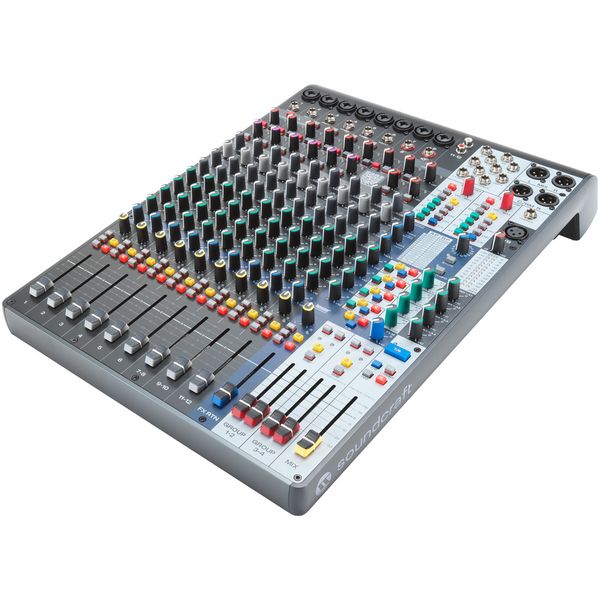
On an analog mixer every control does one job and sits in front of you: a gain knob, EQ, aux sends, a pan control and a fader on each channel.
The limits show up as the setup grows. Effects, compressors and graphic EQs are separate boxes, nothing can be saved or recalled, and the console gets physically large as the channel count rises. Browse analog mixing consoles.
Digital mixers
A digital mixer converts the signals to digital audio and processes them inside. That brings features that would need a rack full of equipment on an analog setup.
The trade-off is a learning curve and menus. Choose a console whose layout your operators are comfortable with, and keep a saved default scene for when someone gets lost. Browse digital mixing consoles.
Count your inputs
List every source that will be connected at the busiest event, then add a margin for growth.
Digital consoles quote both the number of microphone preamps and the total number of mix inputs, which can be higher when stage boxes are added. Check which number applies to your use.
Count your outputs (this is where people get caught out)
Outputs are just as important as inputs.
A worship team with a singer, keyboard player, drummer and guitarist who each want their own monitor mix needs at least four aux sends before you think about anything else.
Which one should you choose?
Questions to answer before you buy
Not sure how many channels or aux sends you need? Send us your setup with the list of microphones and instruments, and our team will suggest the right console.
Our audio experts will recommend the right gear for your setup.