
Blog & Buying Guides
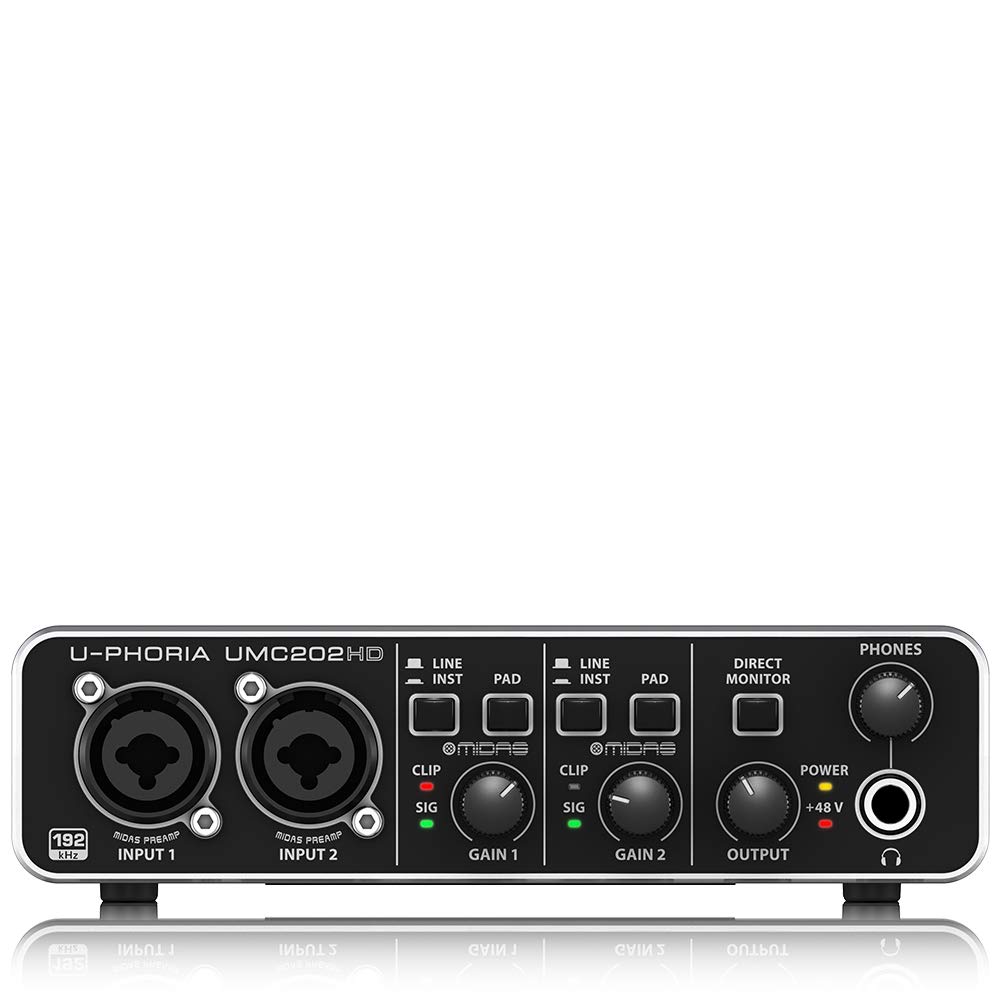
A good home studio needs fewer things than most people think: an audio interface, one good microphone, closed-back headphones, a pair of studio monitors and the right cables. Here is how to choose each piece.
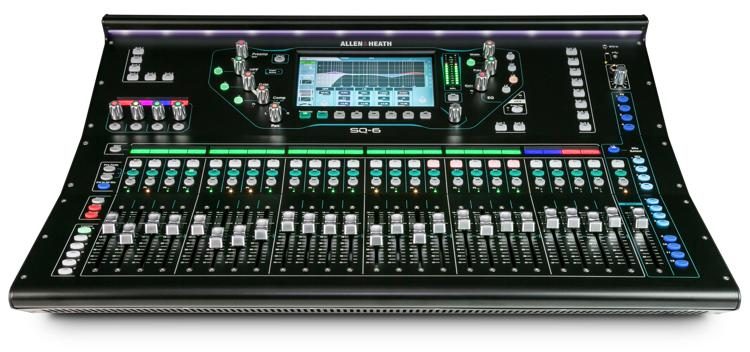
Analog mixers are simple and immediate; digital mixers pack processing, scene memory and remote control into a smaller console. Here is how to decide which one fits your church, band, school or event setup.
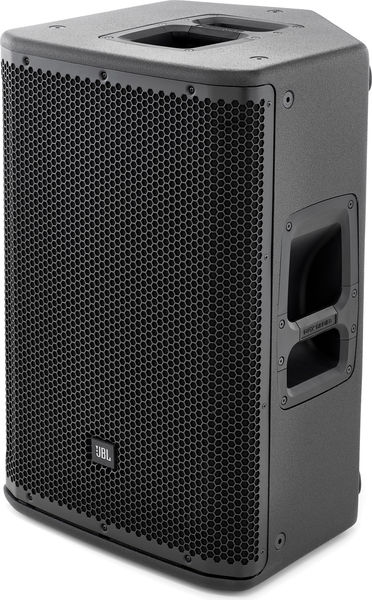
Powered speakers have the amplifier built in; passive speakers need a separate amplifier. Both can sound excellent. This guide explains where each one makes sense and how to plan a PA system for your venue.
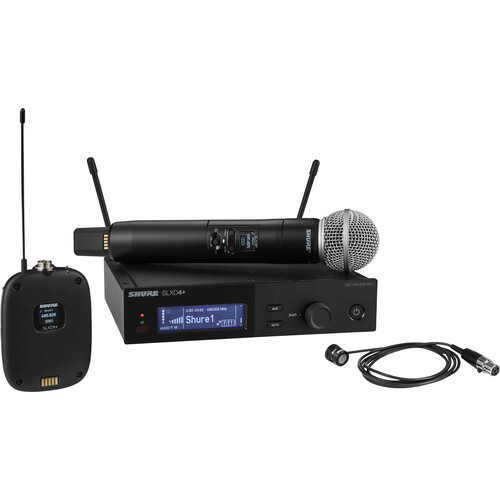
Choosing a wireless microphone comes down to five things: the frequency band, digital or analog transmission, the type of transmitter, how many systems run at once, and how you power them. This guide explains each one in plain terms.
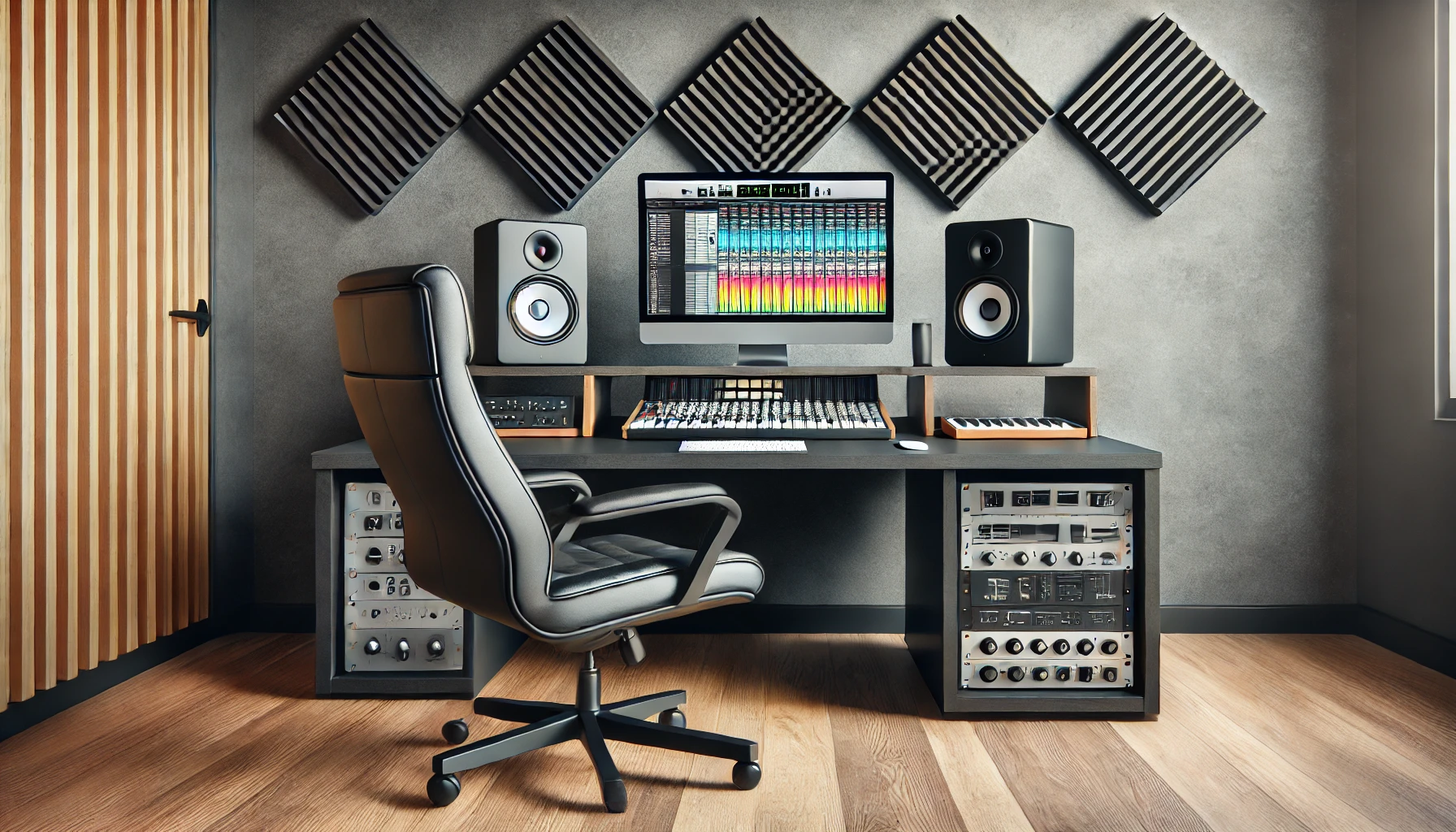
Studio monitors are designed to deliver accurate, uncoloured sound so you hear your audio as it truly is. This guide covers active vs passive monitors, woofer size, room placement, and when to add a subwoofer.

Headphones and earphones each have a place. This guide explains the differences between closed-back, open-back and in-ear designs and which one suits recording, mixing, DJing, live monitoring and everyday listening.

DJ gear comes in three main forms: media players with a separate mixer, all-in-one controllers that work with DJ software, and standalone systems. This guide explains how they differ and which fits your style.

Microphones are essential to capturing high-quality sound, whether you're recording music, hosting a podcast, or doing voiceover work. With so many options available, selecting the right microphone for your needs can feel overwhelming. But don’t worry — we’re here to help you navigate the world of r