The choice between headphones and earphones usually comes down to how you will use them: recording, mixing, DJing, performing on stage or everyday listening. This guide explains the main designs and where each one makes sense.
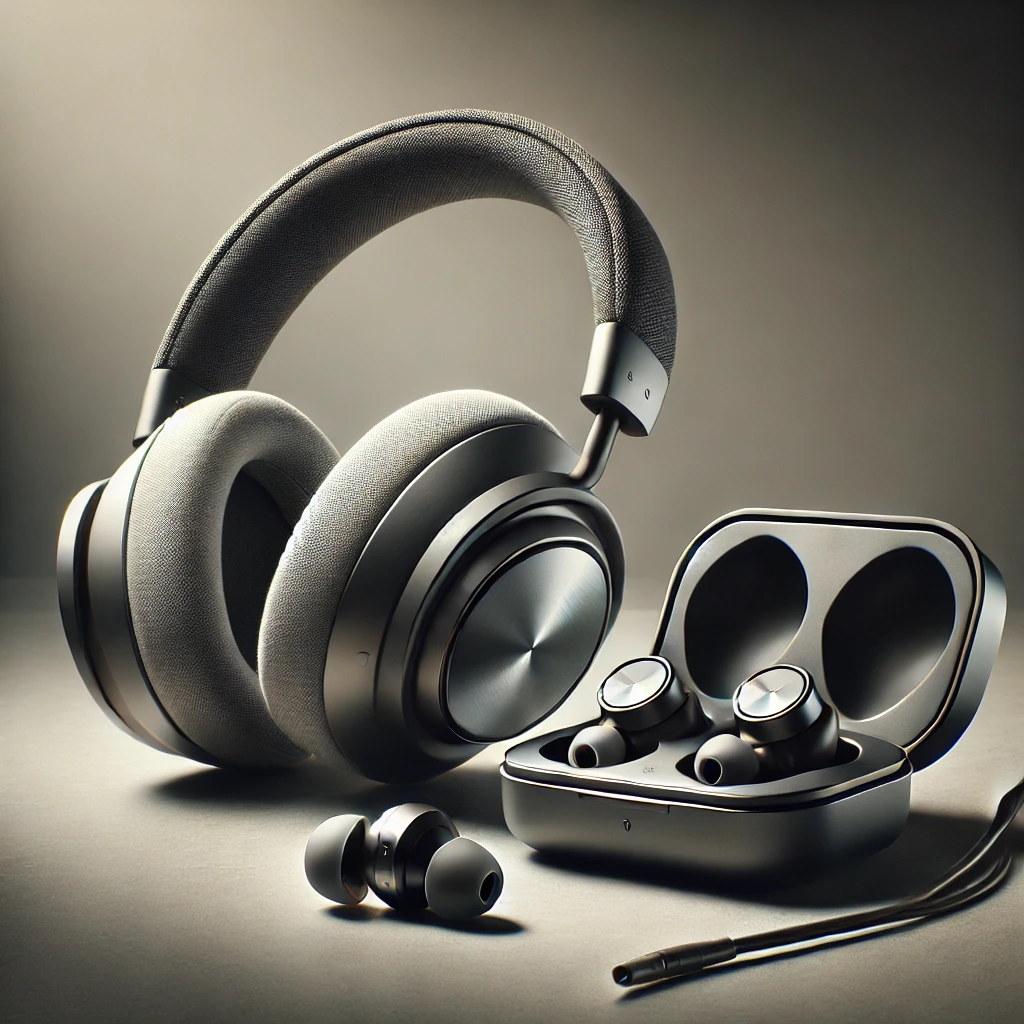
Headphones sit on or around the ear and use larger drivers than earphones. They are the standard tool in studios.
Closed-back headphones
The ear cups are sealed, so less sound leaks in or out.
Best for: recording vocals and instruments (the click track does not bleed into the microphone), DJing, and listening in noisy places.Consider: they can feel warmer on long sessions, and the sealed design affects the bass response.Open-back headphones
The ear cups are vented, which gives a more open and natural sound.
Best for: mixing and critical listening in a quiet room.Consider: they leak sound, so they are not suited to recording with a microphone nearby, and they let outside noise in.Earphones sit in the ear canal. Professional in-ear monitors (IEMs) use foam or silicone tips that seal the ear and block a lot of outside sound.
Best for: musicians on stage who want a clear monitor mix at a lower, safer volume, worship teams, and travel.Consider: the fit of the tip makes a big difference to bass and isolation, so try the different sizes supplied. On stage, IEMs are used with a wired or wireless in-ear monitoring system.Impedance: low-impedance models (roughly 16 to 80 ohms) are easy to drive from phones, laptops and most audio interfaces. High-impedance studio headphones (for example 250 ohms) need a stronger headphone amplifier to reach a comfortable level.Frequency response: a wide published range does not mean better sound. For studio work, look for headphones known for a balanced, accurate response.Comfort and build: replaceable ear pads and cables extend the life of headphones used every day.Recording: closed-back headphones.Mixing at home: open-back headphones, checked against studio monitors.DJing: closed-back headphones with swivelling cups for one-ear monitoring.Live performance: in-ear monitors with a monitoring system.Commuting and travel: earphones or closed-back headphones for isolation.Whatever you choose, keep the volume moderate and take breaks. A good seal or closed-back design lets you listen at a lower level, because you are not fighting outside noise.
Browse our headphones and earphones, or ask us for a recommendation for your studio or stage.