Whether you are an aspiring DJ or a seasoned professional, understanding DJ players and controls helps you choose gear that suits the way you play. DJ setups come in three main forms, and each one fits a different kind of DJ.
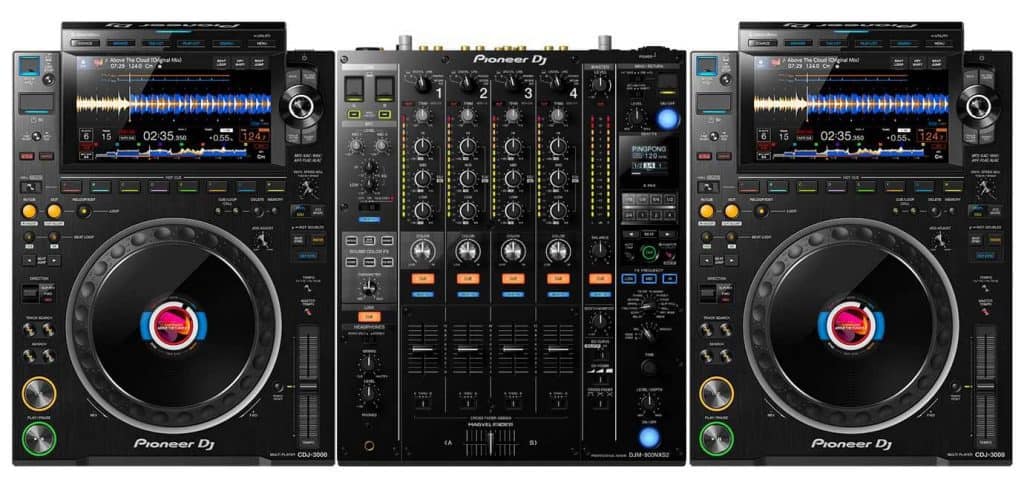
This is the club-standard setup: two or more media players (often called CDJs or multi-players) connected to a separate DJ mixer. Music is played from USB drives or a computer, and the mixer blends the channels.
Best for: club residencies and professional DJs who want to play the same layout found in most venues.Why it works: each part can be upgraded separately, and the layout is familiar in clubs worldwide.Consider: it is the largest and heaviest option, and the most expensive to buy as a full set.A controller is a single unit with two or more jog wheels, a built-in mixer section and usually a sound card. It controls DJ software on a laptop, such as rekordbox or Serato DJ, depending on the model.
Best for: beginners, mobile DJs and home practice.Why it works: everything is in one unit, it is portable, and it costs far less than separate players and a mixer.Consider: check which software the controller is designed for and whether a licence is included, and make sure your laptop meets the software's requirements.Standalone systems combine players and a mixer in one chassis with a built-in screen, and play music straight from USB without a laptop.
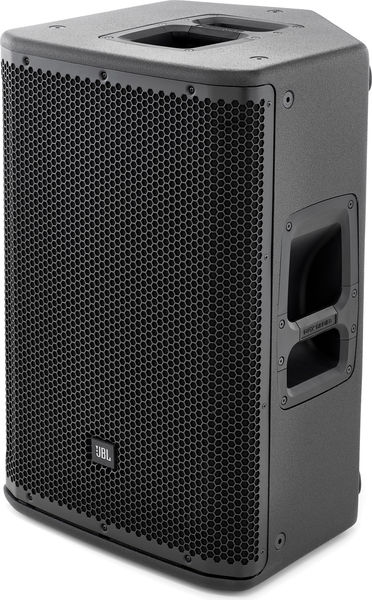
Best for: mobile and wedding DJs who want the club-style workflow without carrying a laptop.Consider: prepare your music library in advance with the matching software so tracks, cue points and playlists are ready.Jog wheel: nudges the track to match beats by hand, and is used for scratching.Pitch or tempo fader: speeds the track up or down to match another track's tempo.Cue and hot cues: mark points in a track so you can start from exactly the right place.Channel faders and crossfader: control how much of each track is heard.EQ (high, mid, low): cut or boost frequency ranges so two tracks blend without clashing.Headphone cue: listen to the next track privately before the audience hears it.Closed-back DJ headphones that fold and swivel for one-ear monitoring.Powered speakers or a PA system for gigs, and a booth monitor so you can hear yourself clearly.Good-quality USB drives and a backup of your music library.Learning at home: a two-channel controller.Mobile and wedding DJs: a four-channel controller or a standalone system, plus a reliable PA system.Club DJs: practise on media players and a separate mixer, because that is what most venues provide.Browse our DJ players and controllers from brands such as Pioneer DJ and AlphaTheta, the company behind Pioneer DJ. Not sure what fits your gigs? Ask our team.